
Dr. Talha Uğurluel’s Topkapı Palace Night Tour
Tour details
Zülüflü Baltacılar Quarters (Bath, Dormitory, Prayer Room, Pipe Room, Stone Hall), Kara Ağalar Quarters (Darüssaade Room, Bath, Dormitory, Prayer Room, Stone Hall), Şal Room, Great Mounting Ramp, Baş Gulam Room, Music Room, Cupboarded Dome, Cüceler Quarters, Prince School, Carriers' Stone Hall, Steward and Master Quarters, Haseki Rooms, Bath and Ablution Room, Valide Sultan Quarters, Bath and Stone Hall, Sultan's Bath, 1st Abdülhamid Private Room, 3rd Murat Private Room, 1st and 3rd Ahmet Private Room, Crown Prince Quarters, Boxwood Garden and Cages, Boathouse Pool, Favorites Quarters, Harem Treasury and Djinns Hall, Harem Mosque, Altınyol and Cevri Kalfa Stairs, Birdhouse Kitchen and Gate
What's included
Guidance
Headphones
Not included
Topkapı Palace Night Ticket (1000)
Need to Know
Information :
We will meet in front of the Kuleli Gate at 20:30, and after the headphone distribution, we will start our tour.
The Harem and the Holy Relics will be included in the visit.
NOTE: Historic structures are frequently subject to restoration. Due to this variable situation and some other reasons, some of the places mentioned in the list will be explained from the outside. You must have your ID with you during the tour.
Please obtain your ticket from the ticket booths in front of the Kuleli Gate before the tour starts. Museum cards are not valid for night tours.
Cancellation and Refund Conditions;
Within the last 72 hours (3 days)
50% for cancellations
There is no refund for cancellations made 24 hours (1 day) in advance
Tour Program
Secret garden
Clock Tower Has Garden Quay and Old Dolmabahçe Palaces Mabeyn Garden Selamlık Garden Kuşluk Garden and Pavilion Glass Pavilion
greeting
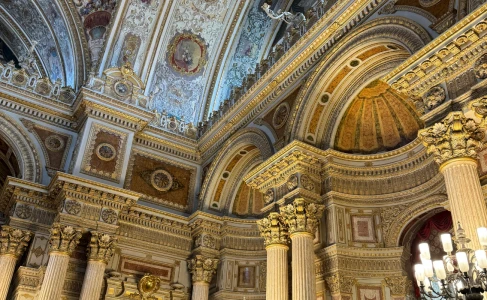
The Entrance Hall, the hall with a mounting stone where the sultans arrived on horseback, Clerk Rooms, the Palace Mosque, Palace Kitchens, and the Collections Exhibitions belonging to the Palace, Caliph Abdülmecid’s Study, the Sultan’s Bath, Guest Reception Halls and Acceptance Rooms, the Audience Hall and its huge chandelier, Hereke carpets, Baccarat crystals, Sèvres and Yıldız porcelains, the Sultan’s Private Reception Hall, the Red (Domed) Room
harem
Valide Sultan Suite Chief Servant Room Circumcision Room Blue Salon where Women Gathered on Special Occasions Harem Apartments where Atatürk Resided between 1927-38 (Blue Salon, Study Room, Bedroom, Elevator, Washroom, and Medicine Cabinet) Pink Salon where Valide Sultan Held Her Audiences Valide Sultan’s Audience Hall and Atatürk’s Secret Door Blue Room, which was Sultan Abdülaziz’s bedroom Japanese Salon Haseki and Favorite Rooms
Painting Museum (Crown Prince Apartment)
It is one of the most important sections of Dolmabahçe Palace, reserved for the residence of the Crown Prince who would succeed the Sultan after his death. Today, it is used as a painting museum. It contains hundreds of paintings by local and foreign painters, depicting the Ottoman History, the Ottoman Geography, figures of the period, and artistic objects. Some of the paintings are anonymous and are of remarkable beauty and artistry. Some of the collections were assembled by being purchased directly by Ottoman Sultans and statesmen.
Saray Collections Museum
In this museum, which has a different hangar-style exhibition concept, historical objects related to the experiences at Dolmabahçe Palace are displayed. In other words, unlike the jewelry and jeweled items we see in palace exhibitions, the everyday items used by the palace residents are exhibited. Photographs of the members of the late dynasty, toys, notebooks, drawings, clothes, and other belongings from their childhood and youth, general-use items from the palace kitchen, carriages, birdcages, ceramic stoves, figurines, and hundreds of other everyday objects are on display.