The Most Enjoyable Way to Discover the World Starts with Uçur Tur...




Hagia Sophia Mosque and Upper Floor Tour
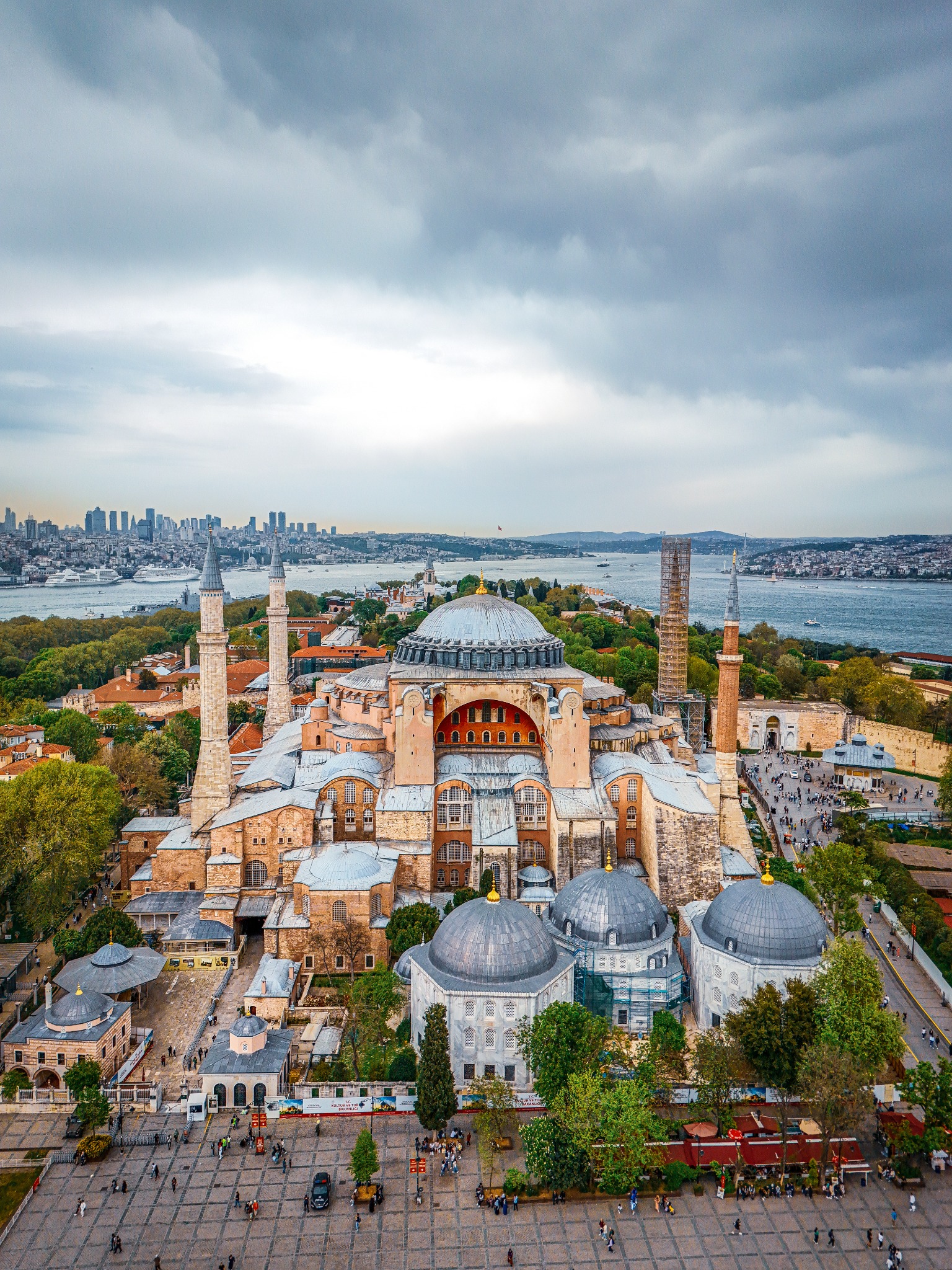
Tour Program
The Hagia Sophia Mosque and Upper Floor Tour is scheduled every Sunday from 14:00 to 18:00 starting October 25, 2026. The tour lasts 4 hours. The detailed itinerary, price, availability, included services, and meeting point will be finalized after confirmation.
Upper Floor Gallery
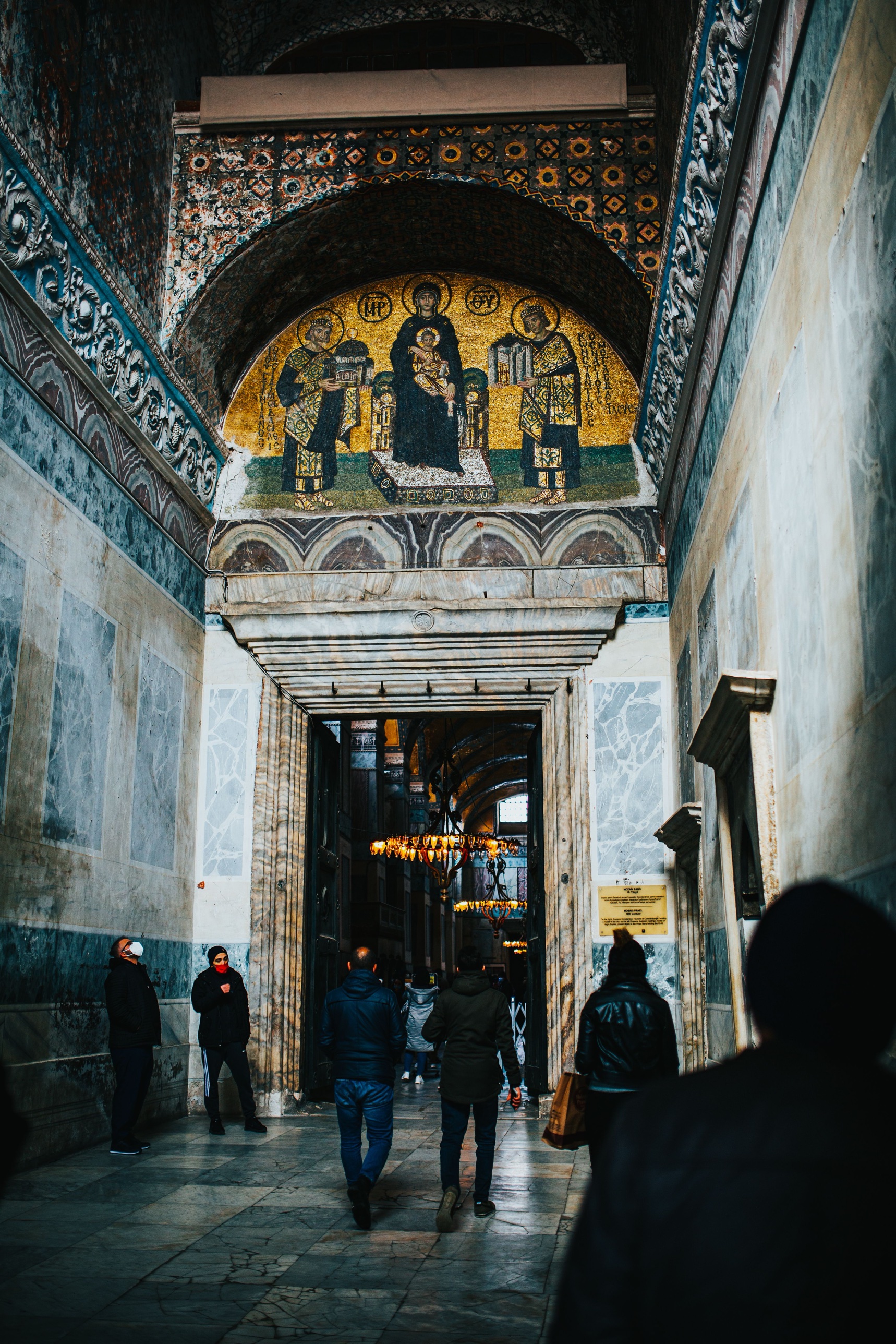
In the upper gallery, which is closed to regular visitors and can only be visited on guided private tours, the Empress Zoe Mosaic, the Deesis Mosaic, the Komnenos Mosaic, and the Byzantine-era marble doors (the Silver Door and the Gate of Hell-Gate of Heaven) will be examined up close.
Baptistery and Courtyard
The outer courtyard of Hagia Sophia, its historic fountains, and the additional structures from the Ottoman period will be visited.
Sultan Chamber
A section where Ottoman sultans used to worship, and an overview of the interior architecture of this building will be presented from here.
Suleyman Mosque
According to a legend, when the construction of Hagia Sophia was completed, Emperor Justinian, impressed by the magnificence of the structure, is said to have exclaimed, addressing Solomon: "Solomon, I have surpassed you!" This account is one of the best-known legends about the architectural splendor of Hagia Sophia.
Omphalion (Coronation Ground of the Emperors)
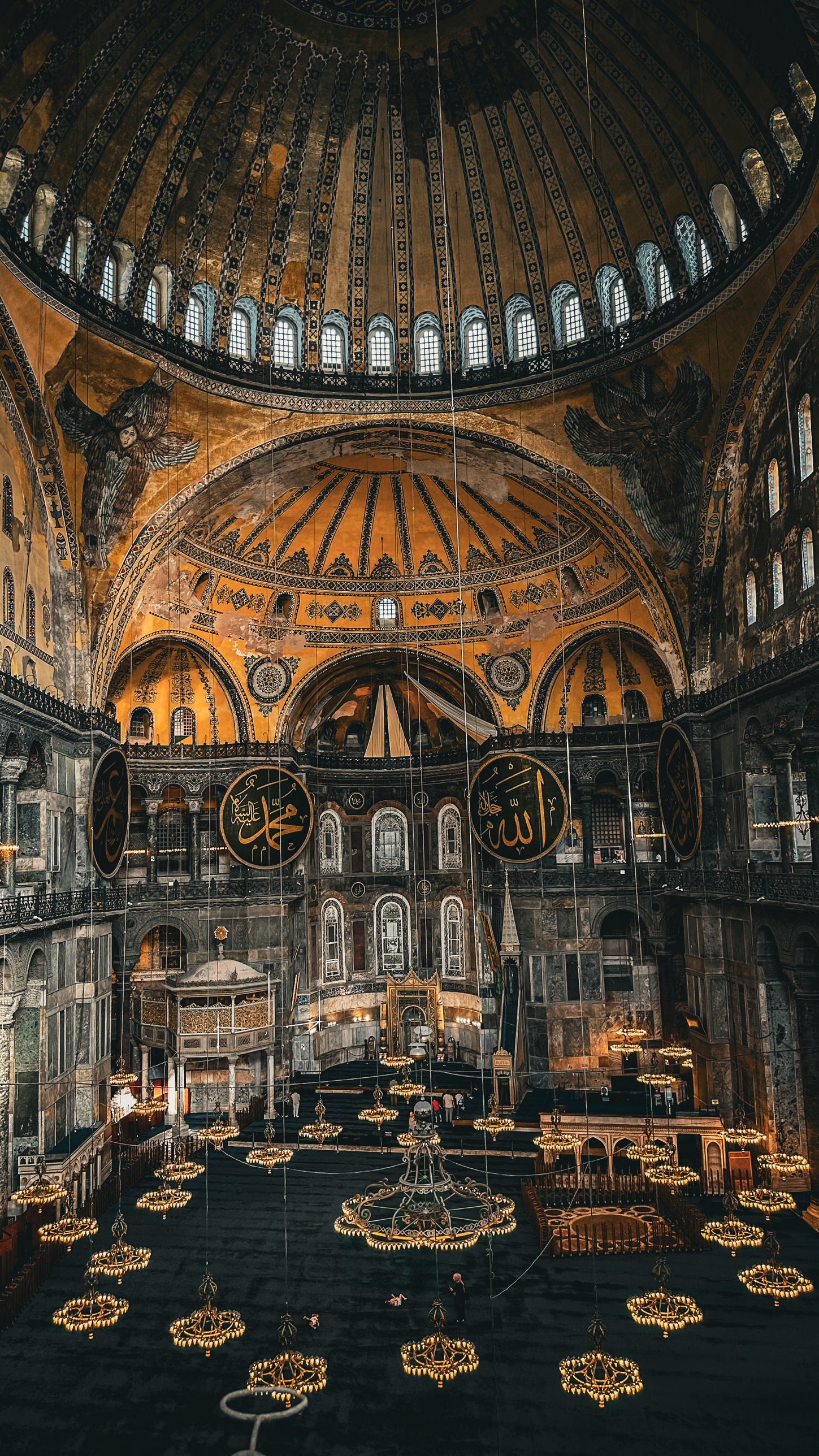
The Omphalion, located on the floor of Hagia Sophia and made up of marble discs of different colors and sizes, is associated with the coronation ceremonies of Byzantine emperors. This area, which stands out with its distinctive marble arrangement, reflects the imperial past of the building.
Terleyen Direk
One of the most fascinating features of the Hagia Sophia is the Sweating Column, known for its damp surface and the hole on it. Popularly associated with the touch of Hızır, it is believed that making a wish by inserting a finger into this column brings good luck.
Ya Fettah Tokmakları
The phrase “Ya Fettah” on the door knockers of Hagia Sophia refers to El-Fettâh, one of the Beautiful Names of Allah. Explained with the meanings of “the Opener” and “the One who removes difficulties,” this inscription is one of the notable details of the building's striking calligraphy and metalwork.
Ambient Mosaic
In this impressive Byzantine mosaic, Emperor Constantine is depicted presenting a model of Constantinople, while Emperor Justinian is shown presenting a model of Hagia Sophia to the Virgin Mary. The mosaic brings together the religious and imperial symbols of the Byzantine period.
Seraphim Angels
The six-winged angel figures in the four corners supporting the main dome of the Hagia Sophia represent celestial beings close to God in Christian belief. Known as seraphim, these figures are among the building's most impressive decorative elements.
Poseidon's Dominion
The motif found in the Hagia Sophia, which resembles the trident of Poseidon, the god of the sea in ancient Greek mythology, is associated with various legends. In some accounts, this sign is said to be a talisman believed to protect the structure from earthquakes.
Mysterious Hand
The handprint said to be found in Hagia Sophia has been the subject of various legends for centuries. It is told that this mark is connected to different legends, ranging from the giants under the command of Prophet Solomon to the Virgin Mary.
Emperor's Gate Mosaic
One of the important mosaics of the Hagia Sophia, the Deesis Mosaic of the Emperor's Gate, depicts an emperor kneeling before Jesus Christ. This figure is believed to be Leo VI. The mosaic is considered to symbolize the ruler's religious devotion and reverence.
Monograms
The column capitals of the Hagia Sophia feature monograms created by interlacing the letters that form the names of Emperor Justinian and Empress Theodora. These distinctive stone carvings reflect the fine architectural details of Byzantine architecture.
Deesis Mosaic
In Hagia Sophia's most impressive Byzantine mosaics, the Deësis Mosaic, Christ is depicted between the Virgin Mary and John the Baptist. This scene, in which both figures plead for mercy on behalf of humanity, is one of the important examples of Byzantine art.
Dandolo's Tombstone
The name of Enrico Dandolo, the Doge of Venice who led the sacking of Constantinople in 1204, is inscribed on a commemorative stone in the upper gallery of Hagia Sophia. This stone is one of the traces of the city's historical past extending to the period of the Latin occupation of Istanbul.
Gate of Heaven and Hell
The marble door located in the south upper gallery of the Hagia Sophia is popularly known as the Gate of Heaven and Hell. This door, which stands out with its distinctive marble craftsmanship, is one of the important architectural details in the upper gallery of the Hagia Sophia.
Departure Points
- 3. Ahmet Çeşmesi Önü/Tarihi Yarımada
Services
What's Included
- Guided Tour
- Headphones
Not Included
The Hagia Sophia upper gallery entrance ticket (standard fee: €25 per person) is not included in the tour price. The ticket cost is paid separately by the participant.
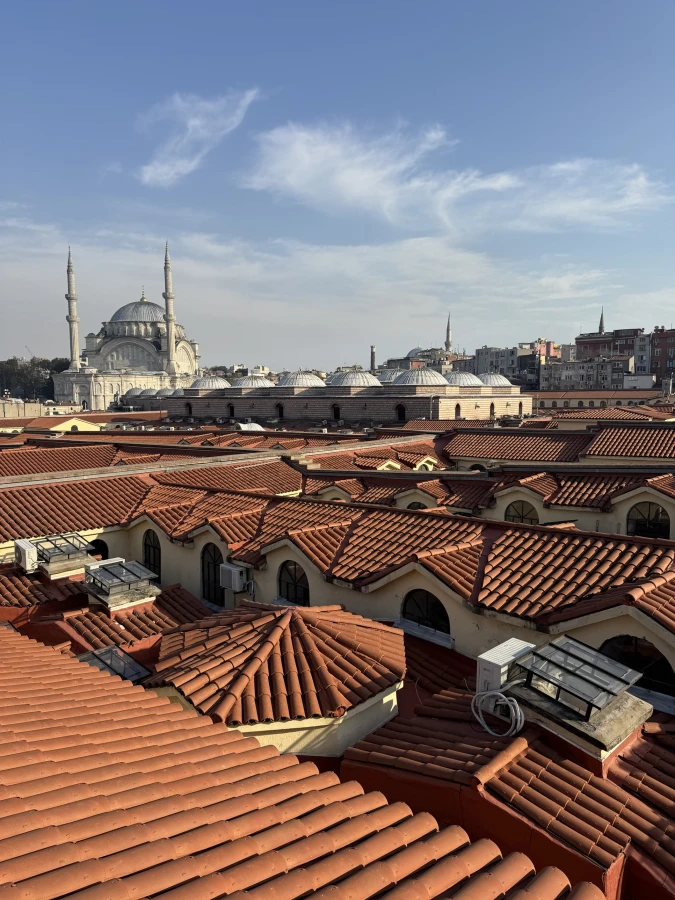 31 October 2026 · 25 Minutes
Kapalıçarşı Rooftop Tour
2,000 ₺
with prices starting from
Explore
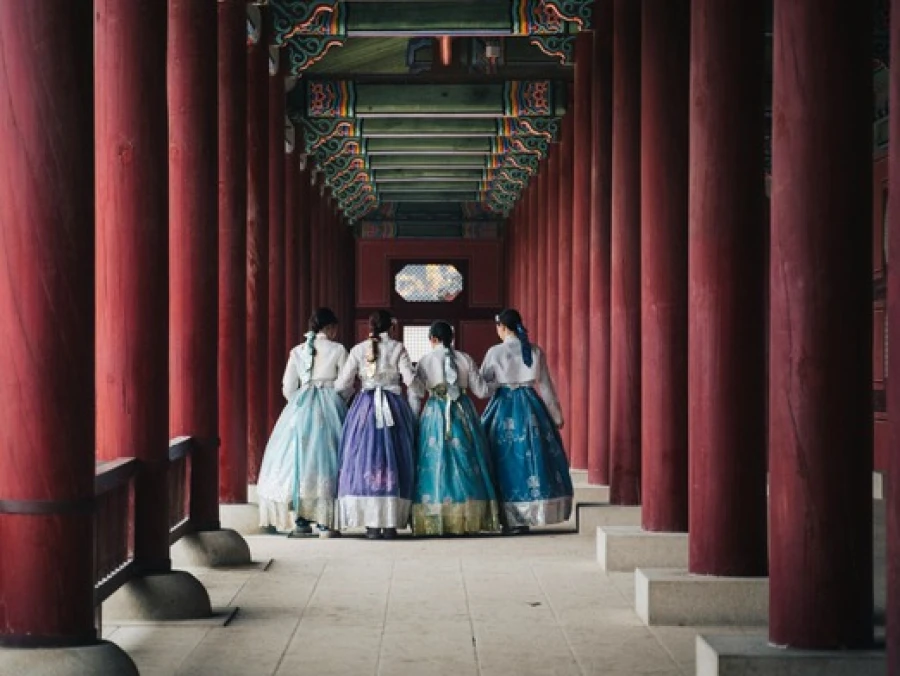 05 March 2027 · 8 Nights, 10 Days
Turkish Airlines ile Güney Kore & Japonya Turu 11 Gün (Seul - Tokyo - Kyoto - Osaka) Wait, I should...
4,350 €
with prices starting from
Explore
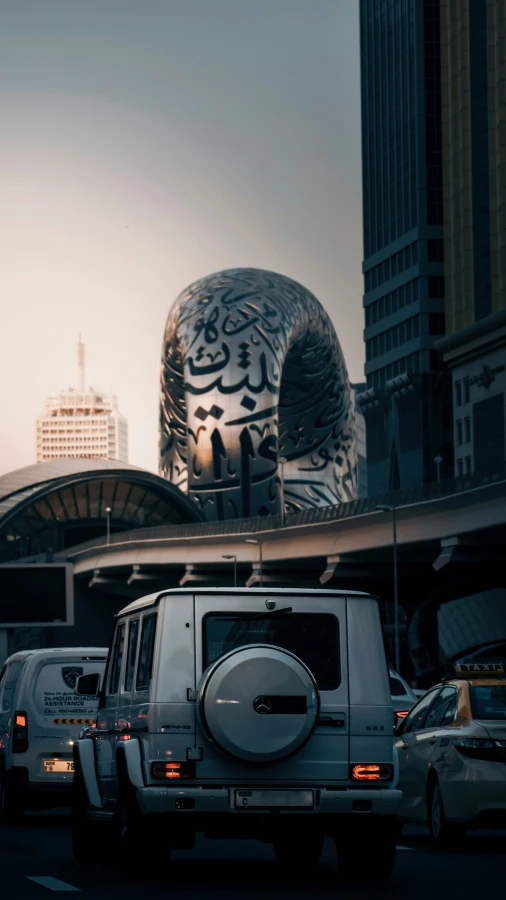 03 February 2027 · 4 Nights, 5 Days
Dubai Tour
1,349 €
with prices starting from
Explore
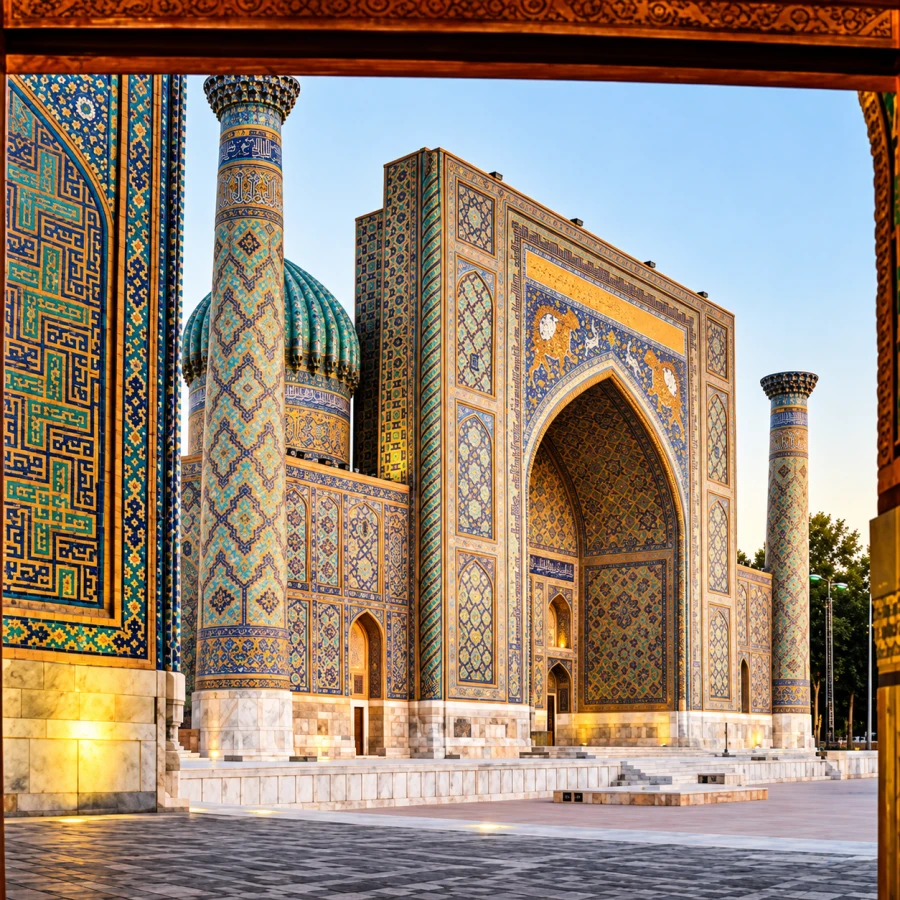 15 November 2026 · 5 Nights, 6 Days
November Break Trip to Uzbekistan
1,550 $
with prices starting from
Explore
 %13
24 October 2026 · 4 Hours
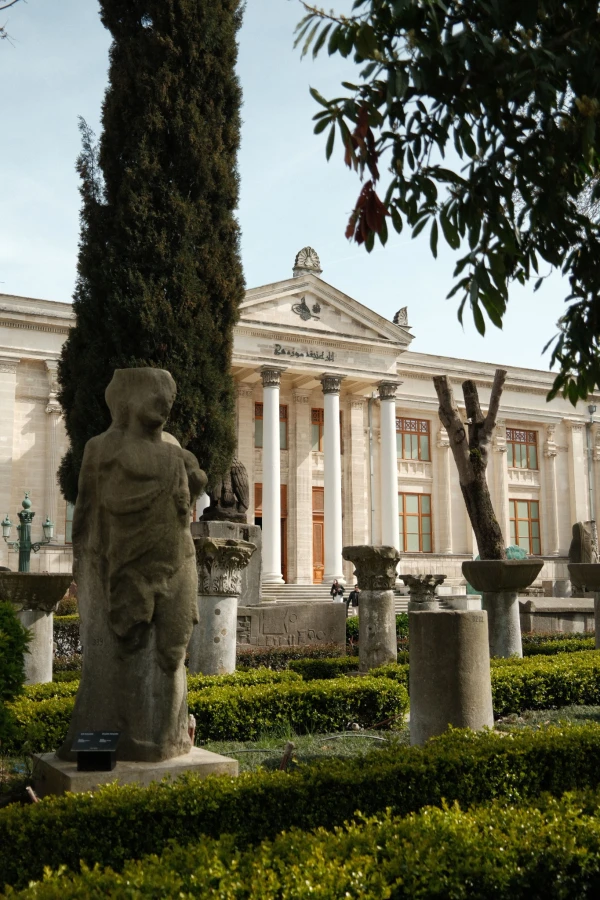
Archaeology Museum Tour
 28 November 2026 · 4 Nights, 5 Days
Ahmet Gülmez With Iraq Tour-December 2026
1,190 $
with prices starting from
Explore
 %13
24 October 2026 · 4 Hours
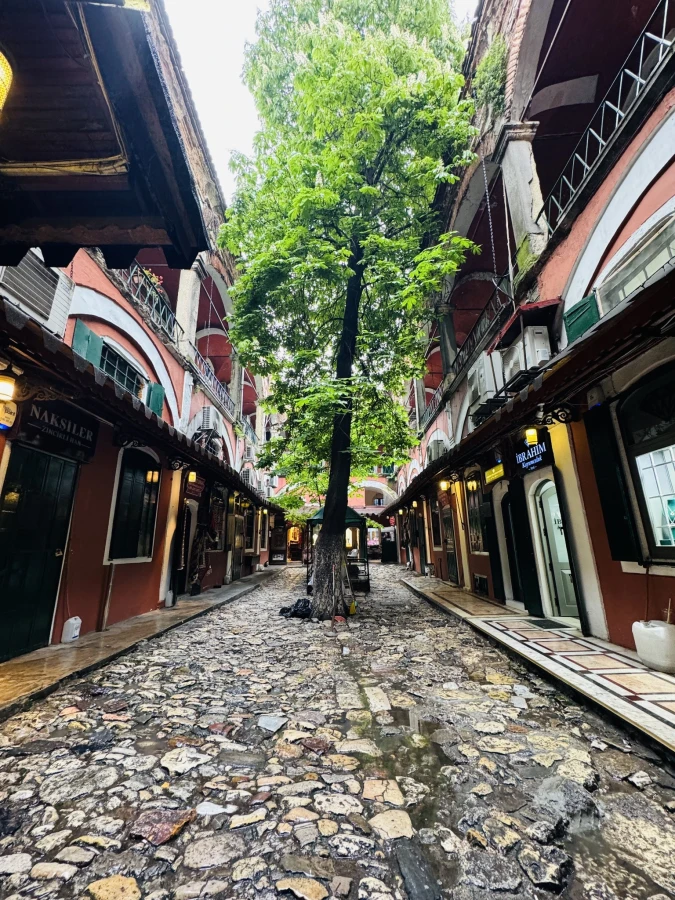
Grand Bazaar Hans and Bedestens Tour
Couldn't find what you were looking for?
Reach out on WhatsApp for a tailored plan — we're here for you 24/7.